Shielding Turbines: New Technologies for Wear and Cavitation Protection
Bild: © Global Hydro
Wear caused by sediment and cavitation remain key issues in hydropower. Despite the common use of state-of-the-art, high-quality steels in turbine production, it’s often not enough to protect components from extreme and enduring hydraulic risks. The renowned Austrian turn-key provider Global Hydro Energy is seeking optimum protection for parts, primarily working with coatings, armouring and reinforcements. For a number of years the specialists have been cooperating with large energy suppliers and university institutes on research to identify various options for the optimisation of turbine protection. This has enabled Global Hydro to acquire broad expertise in now commonplace HVOF coating techniques, high-performance elastomer coatings and state-of-the-art laser cladding processes. In-house engineering and expertise provide the answers.
Immense material stresses occur wherever sediment-bearing water contacts technical turbine components at high speeds. Wear damage is inevitable. This applies in particular to all hydraulically active turbine surfaces. “Massive stress is generated wherever flow velocities are high, water is diverted and where changes of direction take place. These forces act on runners, guide vanes, labyrinth rings, wear rings, turbine covers, wicket gate rings, nozzles, baffle and deflector plates – in short, on all components in direct contact with water with suspended sediments” explains Klaus Eichlberger, Head of Mechanical Engineering at Global Hydro – the Upper Austrian hydropower all-rounders. Eichlberger has been working with his team on runner protection for several years. Protection from wear – but also from cavitation.
Recognising the causes of wear
The main cause of wear is the abrasive effect of solids in the water – like sand, silt and glacial sand particles. In certain regions of the world, such as parts of Asia, there are particularly high concentrations of sediment in the water. In Nepal, effective water treatment via desanding basins would be beneficial in many cases, but geographical and infrastructural restrictions rarely permit this option. A site at 3,000m above sea level would be just one example. As a result of abrasion, regular replacement of runners becomes a necessity since there is no economical means of repairing the wear and tear. Seasonal weather is another key factor. In regions with pronounced rainy seasons, there are always short periods with greatly increased sediment loads. “In our experience, operators sometimes make a conscious decision to switch off the machines temporarily. The financial losses caused by the downtime are considered less significant than the expense of repairs caused by abrasion damage,” Klaus Eichlberger explains.
In addition to the volume of sediments, grain size, grain shape and grain hardness also influence the degree of damage significantly. Global Hydro’s expert refers to the example of quartz sand that has hard and very sharp-edged grains, hence a particularly high potential for causing wear on the affected surfaces of a turbine.
© Global Hydro
Protection from corrosion and cavitation
The specialists at Global Hydro also focus on protection from corrosion; a particularly important issue for seawater applications. Here, they rely on sophisticated alloys such as duplex and super duplex steels with high PREN values (Pitting Resistance Equivalent Number). Alternatively or additionally, sacrificial anodes made of standard materials can be used to provide targeted protection for the main components – with very positive results, as Klaus Eichlberger points out: “The emphasis for all of our solutions is on cost-effectiveness for customers. We use high-quality materials particularly in areas subject to heavy wear. Otherwise, unnecessary costs would be incurred without any added technical value.”
On top of the central issue of abrasion, cavitation also plays a significant role. Especially in the refurbishment sector, where existing conditions such as suction height, pipework or building geometries cannot be changed. If certain machine design parameters are changed, cavitation can become an issue. New turbines manufactured at Global Hydro are always designed in such a way as to avoid the occurrence of cavitation. However, damage risks often increase when compromises have to be made in the conversion of existing turbines. Global Hydro has enjoyed considerable success treating runners affected by cavitation, especially when using elastomer coatings.
Analysis and customised problem solving
As Head of Mechanical Engineering at Global Hydro, Klaus Eichlberger is convinced that protection from wear is dependent upon one thing above all others – knowledge. The right questions have to be asked in order to identify professional solutions for each respective application. “A central element of our work is the precise analysis of the respective damage mechanisms. Only when we identify the exact source of stress – whether abrasion, cavitation or both – can suitable countermeasures be taken. State-of-the-art technologies such as acoustic sensors are being utilised in our current research projects, making it possible to analyse flow noise emissions and draw conclusions concerning cavitation and wear. ”This allows us to determine the source of the problem, the nature of the problem – and which solution is sustainable and economically viable,” he says, adding: “Our experience from over 1,000 plants worldwide shows there is no standard solution. Every plant poses unique challenges, be it fine red soil in Vietnam that clogs up valves in a very short space of time, aggressive glacial milk in the Himalayas and even the Alps, or chemical influences in mines. Whatever the case, finding the right strategy for protecting infrastructure always involves a tailored solution.”
A solution for every application
Wear protection in hydropower is a complex but not intractable problem. There is no ‘silver bullet’, no one-size-fits-all off-the-shelf solution. However, sound analyses, proven protective measures, a profound understanding of fluid mechanics and a great deal of experience ensure even the toughest conditions can be mastered. Customised solutions for the problems at hand are precisely what the the Upper Austrian hydropower all-rounder Global Hydro guarantees. State-of-the-art coatings, armouring, optimised materials or a combination of various measures, can all prove to be the right solution. Some components are particularly susceptible to wear, so in certain cases it makes sense to design them as so-called ‘sacrificial parts’ that can be replaced quickly and cost-effectively, outlines Klaus Eichlberger.
In-house research – an important asset
Various coatings have proven to be highly resistant to certain types of mechanical stress. Hard alloys, materials optimised with metalloids and coatings with elastomers, help to extend the operating life of stress-prone components. However, not every coating is suitable for every load. HVOF is a coating based on tungsten carbide that has proven very effective. Nevertheless, although very hard, it’s unsuitable for preventing cavitation. Its brittleness means that the implosion of gas bubbles on the material surface causes the coating to flake off. “Since it is brittle, HVOF coating is also unsuitable where there is a risk of impact from stones,” Eichlberger continues.
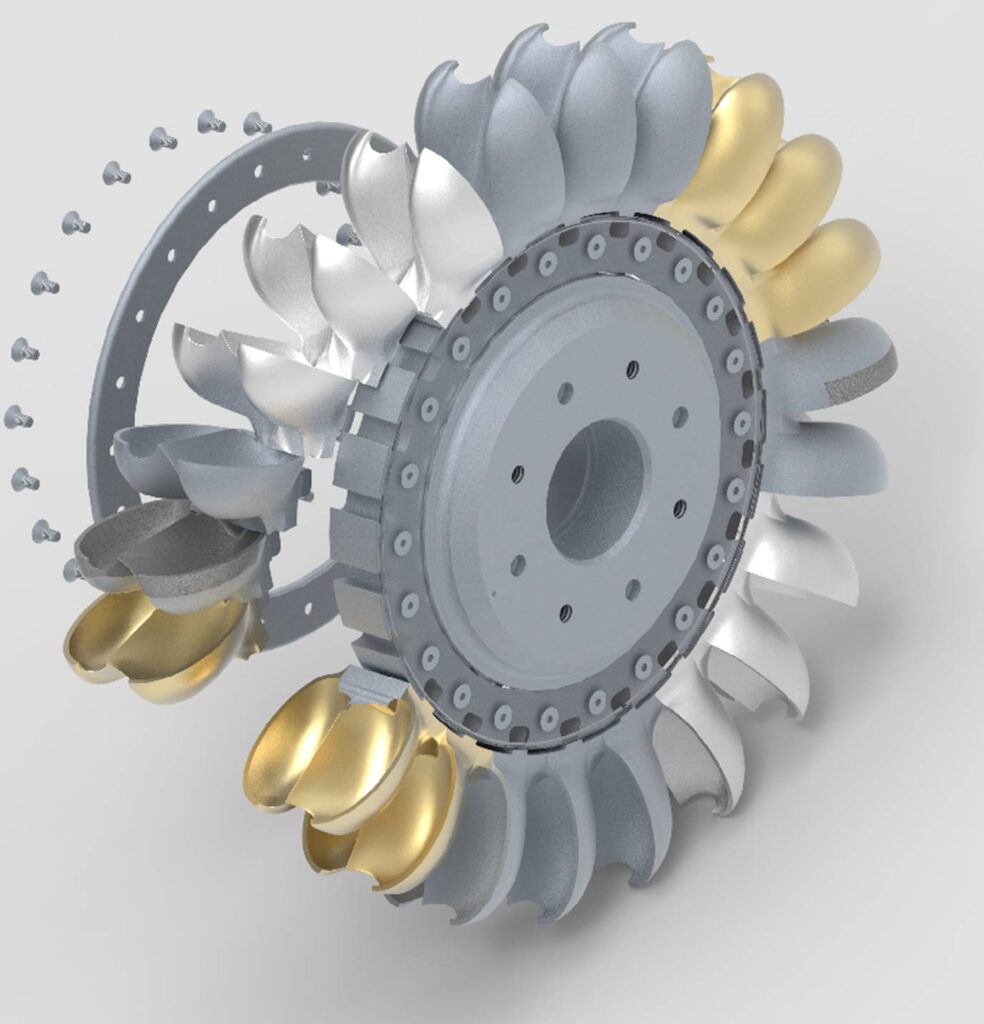
Global Hydro has been conducting in-depth research for some time to determine the material properties and coatings best suited to each respective application. An excellent example is the small wastewater power plant located right next to the company’s headquarters in Niederranna, Upper Austria, which is mainly used for research purposes. The single-jet Pelton turbine installed there is designed to accommodate a head of 250 metres and meet a long list of specifications. According to Eichlberger: “The runner is fitted with a wide variety of buckets made for ease of replacement. They are made of various materials – a range of steels, aluminium, printed materials, titanium and coatings with HVOF or metalloid optimisations. We can test the various options, and analyse them.” Testing also provides an opportunity to check out specific qualities of HVOF coatings produced by a range of providers. Ultimately, very clear preferences have been identified.
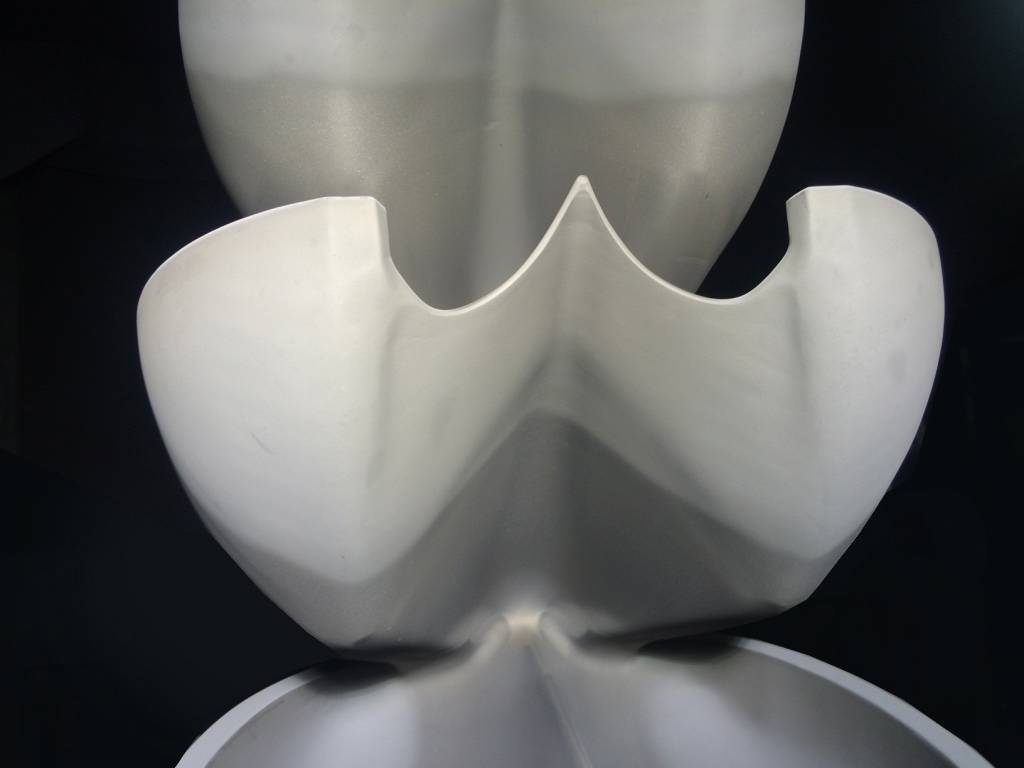
HVOF coating
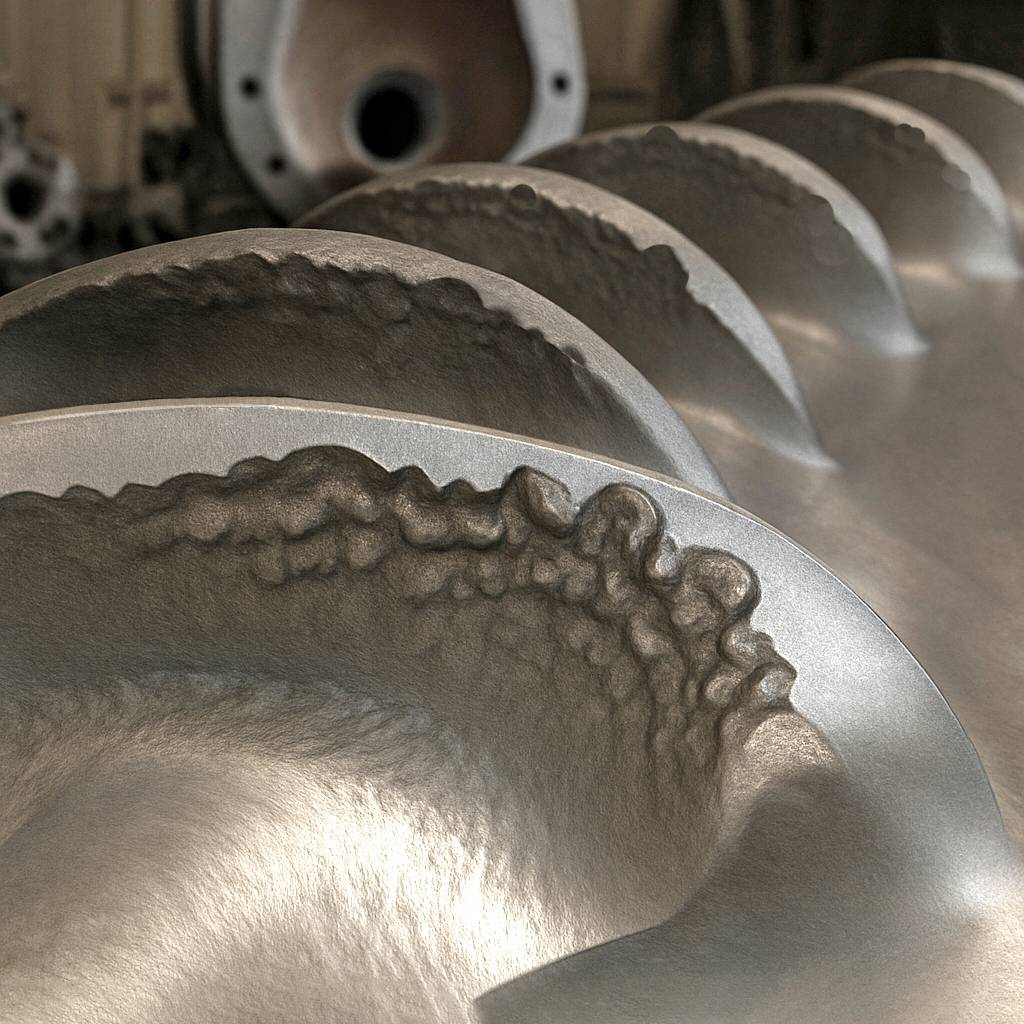
Tungsten carbide-based HVOF technology has proven its value for highly stressed components in hydropower plants; those exposed to extreme abrasion caused by sediment. “This coating has been the subject of intensive testing and is used to coat both Pelton runners and Francis turbine components. Although it is important to be aware that this type of coating, due to its brittleness, cannot be used in every situation – our experiences with it have been very positive. However, it’s significantly more cost-intensive than others,” explains Eichlberger. In general, HVOF coating is very complex, but Global Hydro is no longer reliant on the expertise of suppliers, and instead identifies its own detailed specifications – such as pre-treatments, precise layer thickness, adhesion and porosity.
Global Hydro’s head engineer cites a hydropower project in Mexico as a reference project. One of several 18-MW Pelton runners was provided with an HVOF coating. Up to 16 metric tons of sediment are channelled through the turbines in the power plant per day, dropping from a head of 850m. The sediment consists of highly abrasive volcanic rock. The last few years have shown that the HVOF-coated runner has a significantly longer service life than an uncoated runner from another supplier. Indeed, its operating life has been extended by a factor of 2.5, again demonstrating that HVOF coating is highly resistant to abrasive particles and ensures component surface integrity is retained for a long time.
© Global Hydro
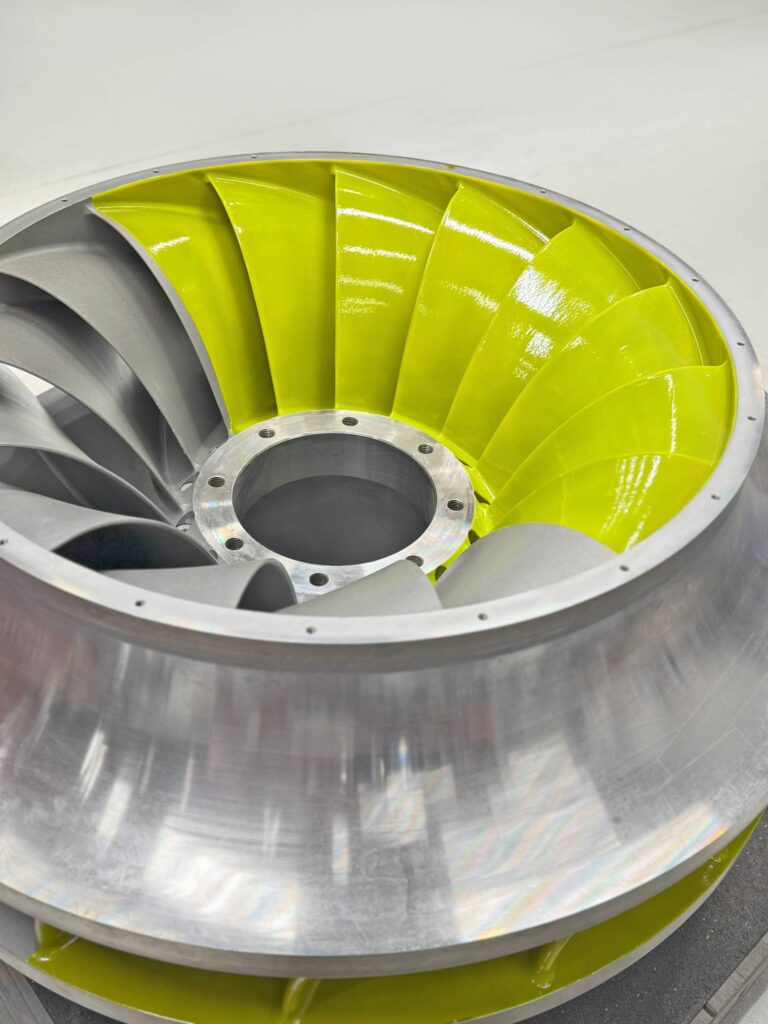
Elastomer coatings
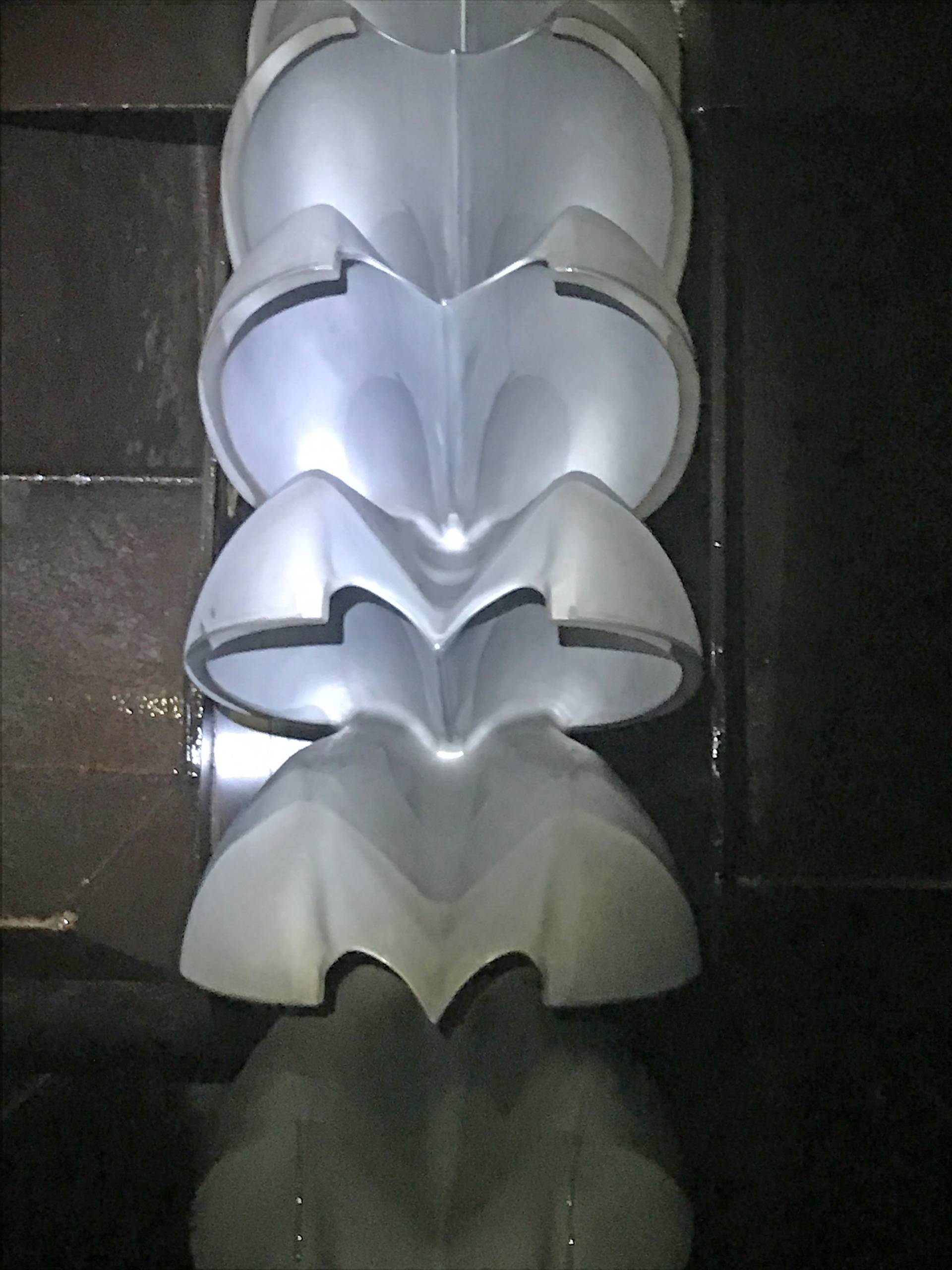
Elastomeric coatings are particularly suitable for low heads, low flow velocities and high sediment content water. As the name implies, a decisive advantage of this coating is its elasticity, as it exhibits astonishing resilience to larger particles such as stones and other water-propelled solids. “We coated the high wear effected components of a kaplan turbine to protect them from the aggressive abrasion of sediments and damage from high flow velocities. High speeds required a flexible, resilient coating that tolerates turbulence in the boundary layer area and significantly increases the longevity of the part – and it was an absolute success,” says Klaus Eichlberger, describing a specific application, and also referencing experiences with coatings for Francis turbine runner ducts: “The risk here is cavitation. The elastic properties of the coatings dampen impacts and minimise cavitation damage. Hence, elastomers help to cushion the implosion of gas bubbles during cavitation, and thus prevent the occurrence of material damage.”
The highly resistance elastomer coating is also beneficial in terms of expense, particularly the relatively low cost involved in repairing damaged surfaces. The Global Hydro engineer expands: “Elastomer coatings have proven to be very durable, especially in older systems, such as those fitted with guide and baffle plates – and have shown how the use of elastomers can actually double the working life of components.” However, Eichlberger also cites limitations to this technology as high flow velocities quickly erode elastomer coatings, so elastomers are not ideal for use with Pelton buckets.
© Global Hydro
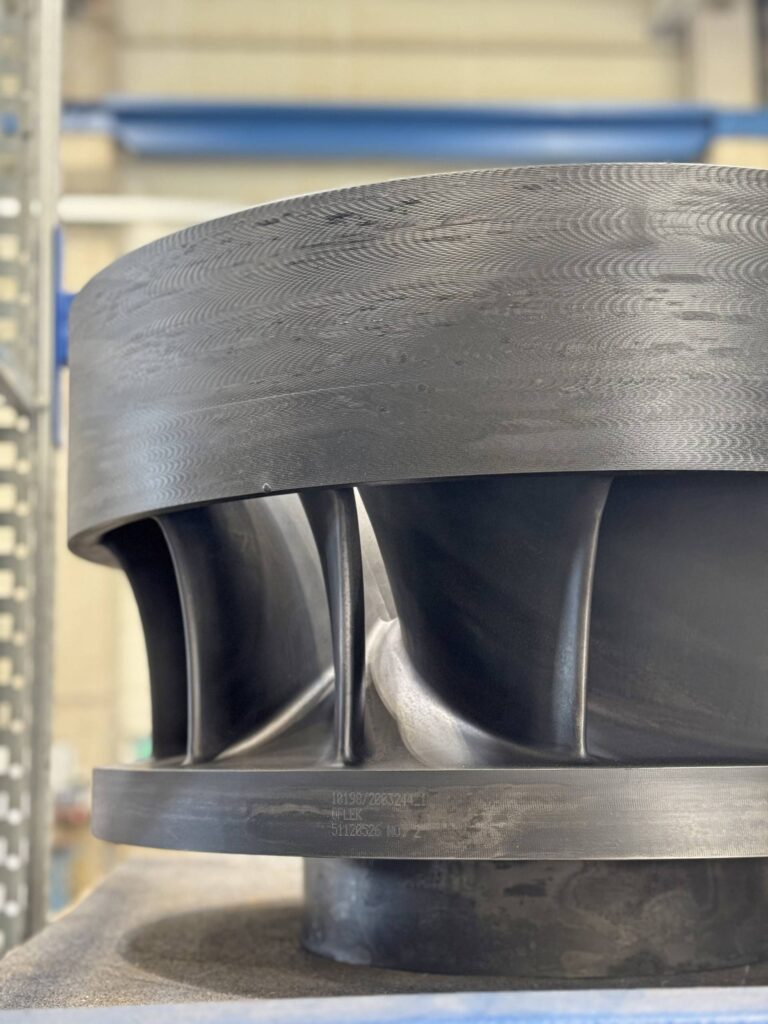
Metalloids
Semi-metallic treatments are a more recent development and involve special thermochemical processes. What sets these new semi-metallic surface coatings apart is the extreme hardness they achieve – up to a degree of 1,800HV, thus making the resulting hard surface extremely resistant to abrasion. In comparison, quartz has a hardness of 800 to 1,000HV. The process is primarily used for runners and wicket gate rings exposed to extremely heavy wear. “Two runners to which we have given semi-metallic treatment are in use with an Upper Austrian energy supplier, whose experience with them so far has been very good,” states Klaus Eichlberger. He also points out additional favourable properties of this relatively new material: “The result of the process is a surface that is only 20 to 40 micrometers thicker, so there is no need for compromises such as roundings in the runner design. Secondly, compared to HVOF, the process is significantly cheaper. Moreover, the technology guarantees a very smooth surface that obviously has a positive effect on the hydraulic properties of the runner.”
Stellite laser cladding
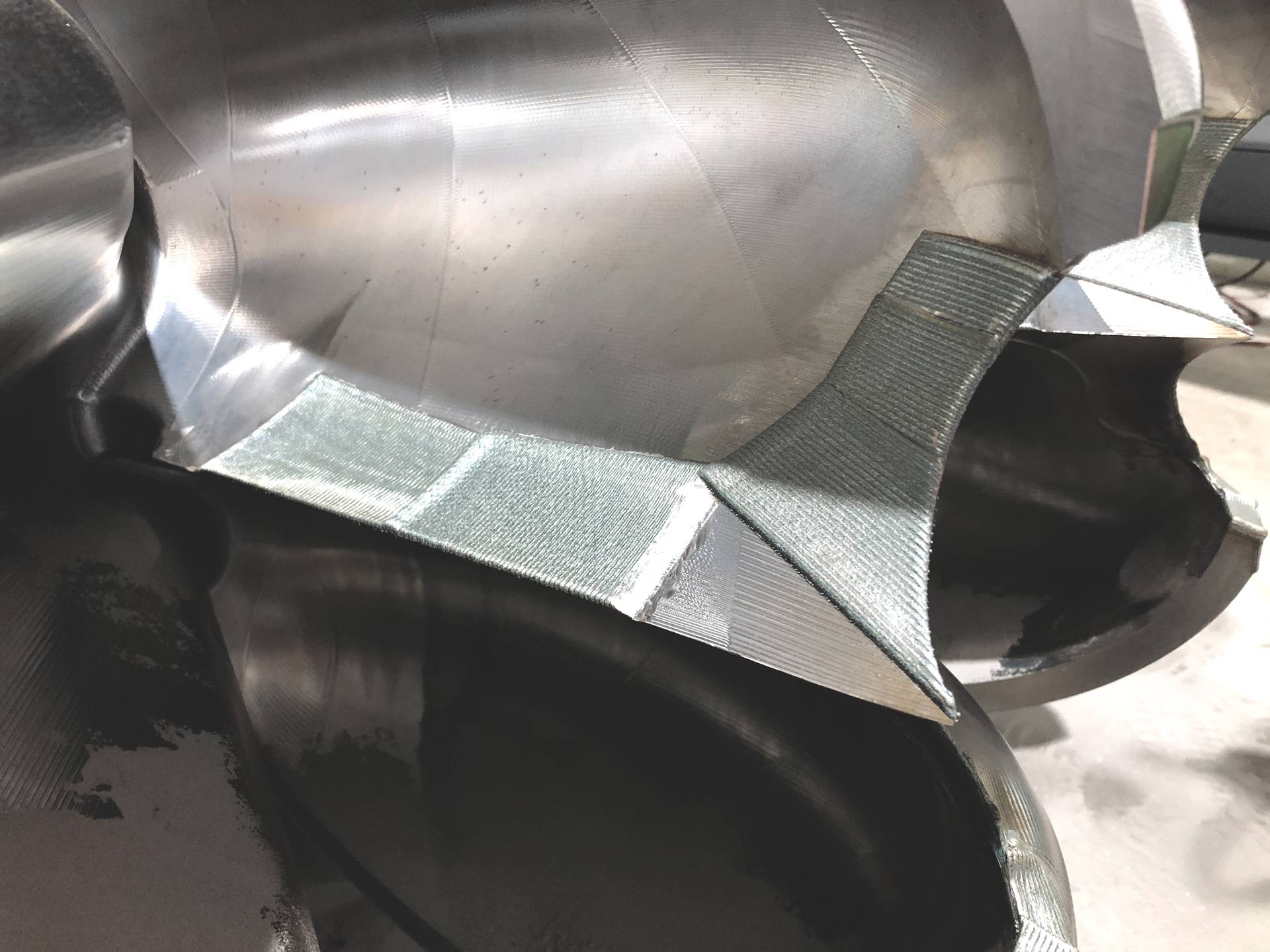
Stellites are used for applications where both extreme abrasion resilience and extreme cavitation protection are required. Stellites are hard cobalt-based alloys in which carbide is also formed. They are known to provide excellent resistance, particularly in abrasive environments. The Global Hydro engineer highlights the case of a power plant project in Switzerland. Runners were upgraded with a Stellite laser cladding coating, and this has proven itself to be an outstanding application for Stellites. The power plant is over 70 years old and houses two 14-MW turbines. Having suffered from extreme runner wear for a long time, experts believe the main reason for material damage was the many years of unfavourable inflow to the runners, occurring at an angle of more than 45 degrees. Even HVOF coatings had been used, but the same types of damage were identified again and again – especially on the buckets, most likely due to cavitation. “Almost all of our competitors have tried their hand with an runner for this particular power plant. We also provided a standard runner that had the usual ‚shadow‘ after around six months of operation – the initial sign of runner damage. No matter, we were determined to solve the problem and carried out targeted repair work,” Klaus Eichlberger says. The damaged areas of the runner buckets were milled out of specially selected Stellites was applied via laser cladding. The bucket surfaces were then carefully milled again, and polished for an optimum surface finish – a decisive factor for performance. “The results were fascinating,” says Eichlberger. “After 1,862 hours in operation, it became apparent the critical areas armoured with Stellite had remained free of material damage, whereas the areas where Stellite was not applied showed signs of wear – thus demonstrating that Stellite laser cladding can significantly increase the longevity and consequently the long-term performance of turbines.”
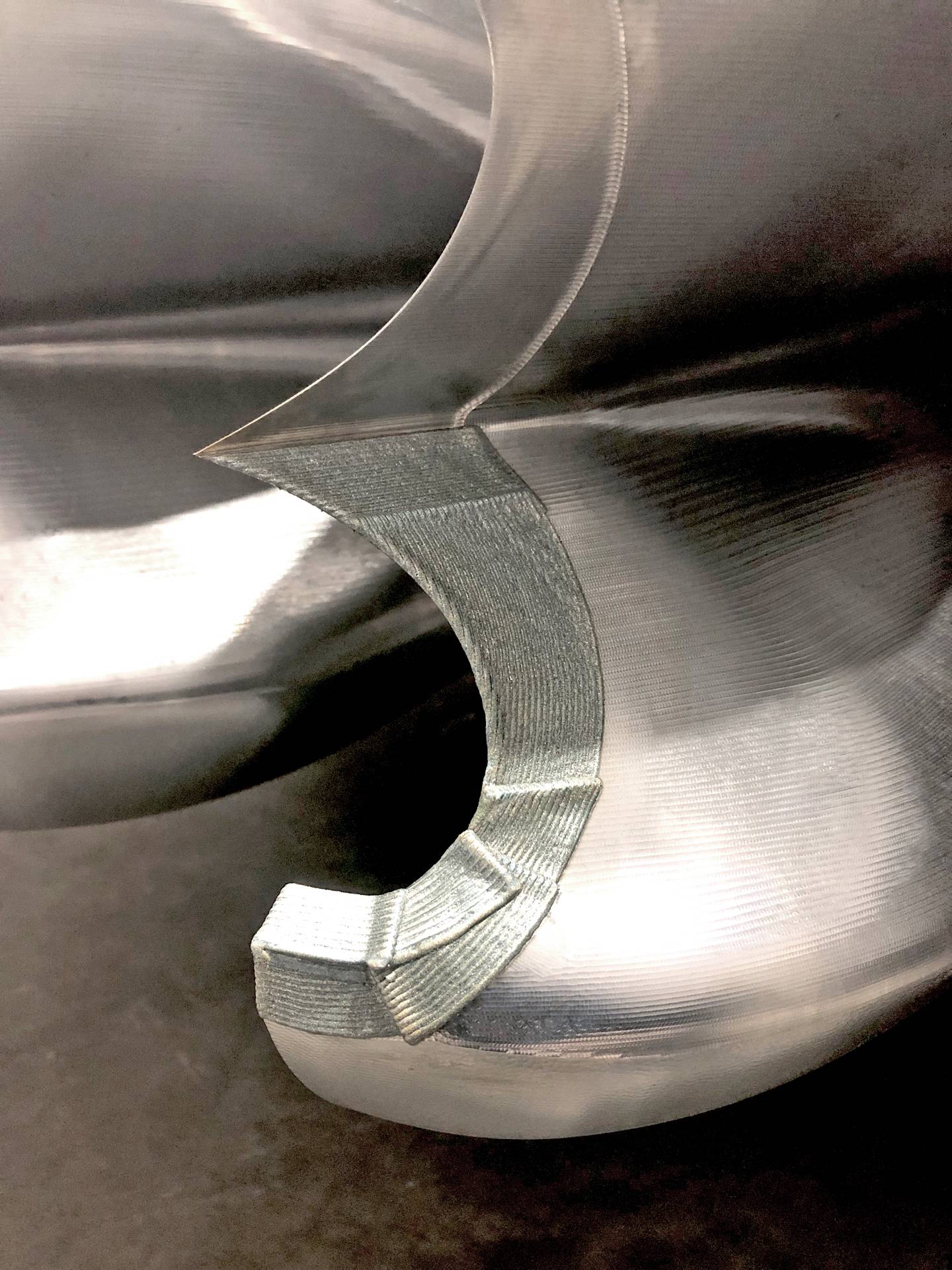
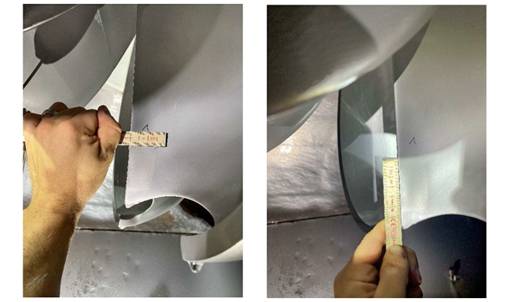
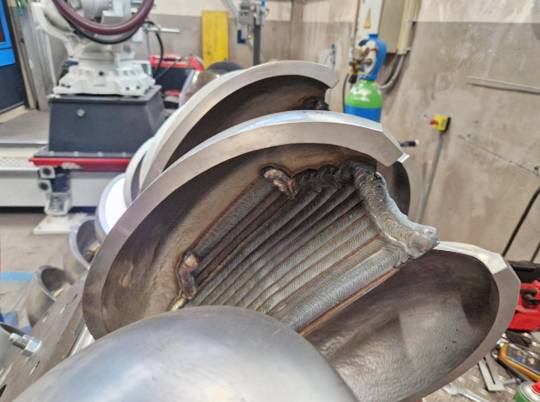
Stainless steel cladding is another option Eichlberger mentions. Global Hydro uses its own welding robots, utilising the innovative approach of cold metal transfer (CMT) to apply stainless steel – layer by layer. This guarantees fault-free, uniform, reproducible application using a low heat input not viable with conventional welding processes. Stainless steel cladding is primarily used at Global Hydro at specific points to reinforce non-stainless steel parts with higher-quality materials, and wicket gate rings are cited as an example.
Cladding technology and reverse engineering
© Global Hydro
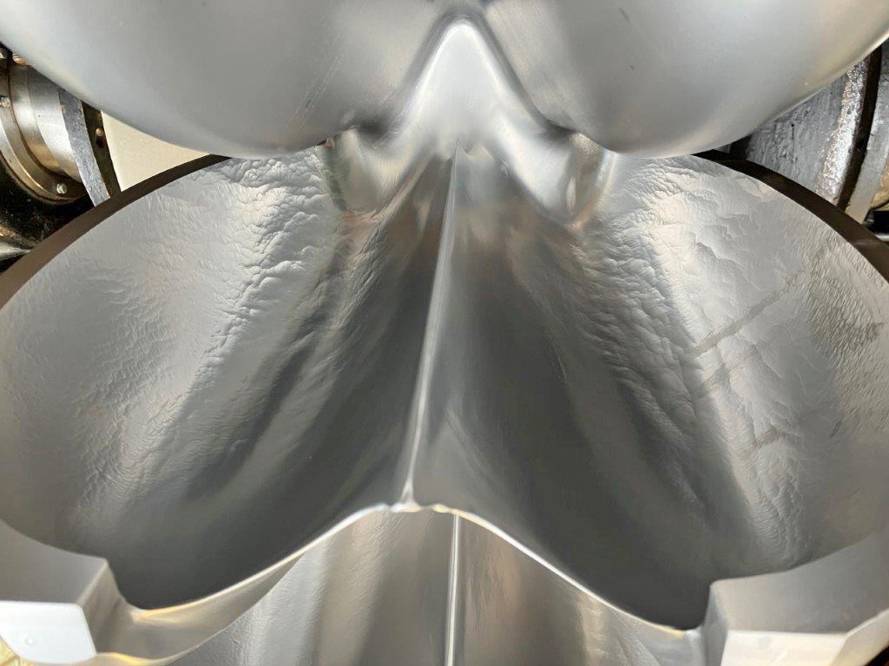
One of the questions Global Hydro has investigated is the issue of whether worn runners can be repaired efficiently and cost-effectively using the new cladding technology. The answers have been provided by an ongoing reverse engineering project. “Operators usually have templates and runner drafts, but unfortunately rarely possess precisely detailed runners geometries. Global Hydro has developed special programmes to overcome this problem. The runners are scanned in 3D by the company’s hydraulic specialists, after which the specialised software is used to optimise geometries for improved flow characteristics.” This allows exact differential volumes to be determined and the cladding material to be applied with high precision by the welding robot. The material is applied in several layers during the cladding process. The surface is then milled, ground and polished to create a hydraulically optimised surface. “Once the repair work has been completed, the result is an runner that runs like new and ensures a significantly longer working life,” emphasises Klaus Eichlberger. The customer was delighted. Functionality was restored and repair costs were significantly reduced. The automated process of cladding technology is a unique solution on the market that results in significant extensions to the working lives of runners – and is far less expensive than purchasing a completely new one.
© Global Hydro
Recognising sediments via machine learning and AI
Choosing the right coating or type of material optimisation can make a significant contribution to extending the working life of hydropower machinery, particularly under difficult operating conditions. The Upper Austrian hydropower specialists at Global Hydro are now in a position to provide clients with customised, sustainable solutions. However, the company certainly doesn’t intend to leave it at that. “In future, our digital solutions will also enable us to supply software that recognises sediment contamination in advance. The immense wealth of experience and data from our projects is allowing us to work on the achievement of fully automatic sediment detection. Prior to imminent sediment contamination the programme enables an operator to decide – on a case-by-case basis – whether the power plant needs to be shut down,” explains Global Hydro Managing Director Heinz Peter Knass, and adds: “It’s part of the Global Hydro philosophy to develop in-house expertise – in this case in coating technologies, and to strengthen our market leadership in this field. We believe we are in a unique market position, both in terms of the breadth of our product portfolio, and our degree of vertical integration,” and concludes: “For us ‘Everything from a single source’ is much more than just a slogan.”