Six Danube Hydropower Plants: ODK and LEW Complete Major Revision Project
Bild: © LEW / Thorsten Franzisi
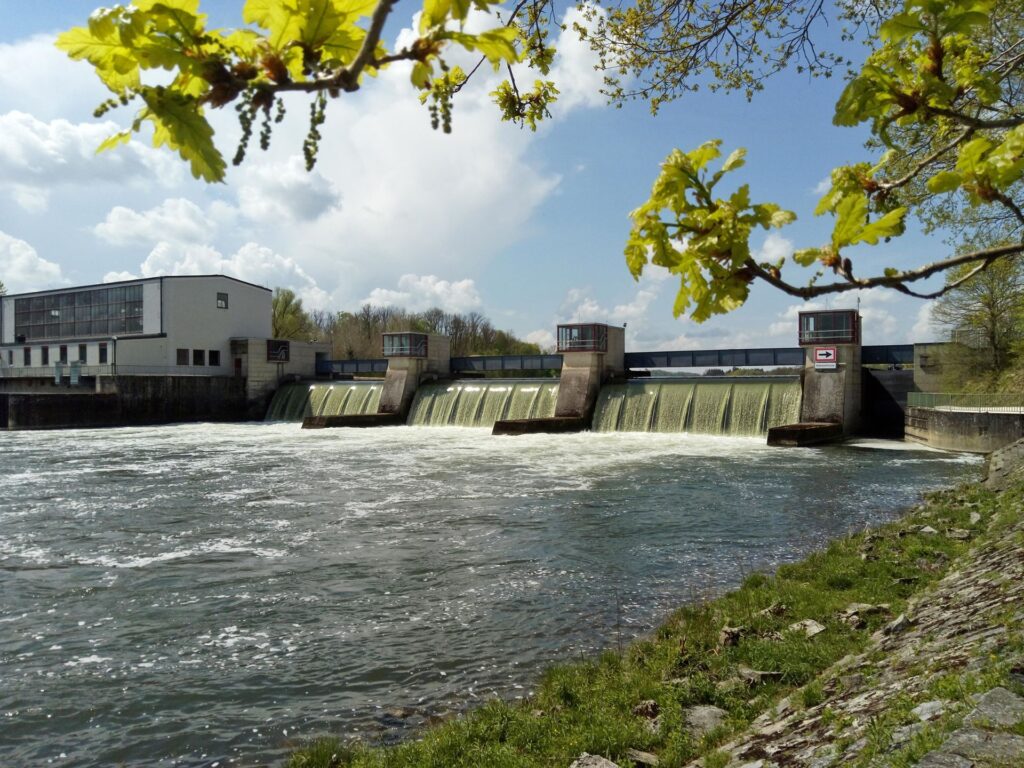
In late 2024, Obere Donau Kraftwerke AG (ODK) celebrated the successful completion of a major power plant revision project. Spanning a full decade, the project involved six hydropower plants – Gundelfingen, Offingen, Faimingen, Leipheim, Günzburg and Oberelchingen – being brought up to current standards by the plants’ managing operator, LEW AG. Focussed mainly on the mechanical revision of the twelve Kaplan turbines, the project also included the modernisation of the corresponding automation equipment. A major optimisation was achieved by implementing fully automated water level control across the six power plants. ODK’s overall investment in this exemplary revision of their long-standing power plants amounted to around 22 million euros.
© LEW
Six Hydropower Plants Form a High-Performance Danube Cascade
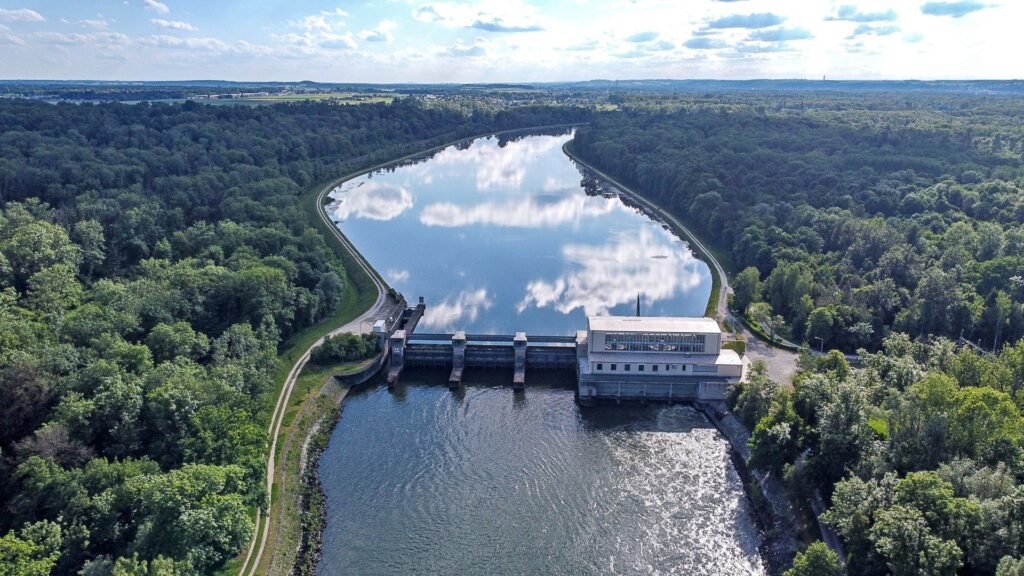
All of ODK’s six run-of-river power plants were constructed between 1960 and 1965 along a 35 km stretch of the Danube between Ulm and Dillingen in Southern Germany. Whereas the Faimingen facility is built for a design flow rate of 240 m³/s, the Gundelfingen, Offingen, Leipheim, Günzburg and Oberelchingen power stations are each designed for a maximum flow rate of 210 m³/s to ensure the sustained production of clean energy. With gross heads ranging between 5 and 6 metres, the power stations are built on the same functional principle. Each of the weir systems consists of three weir fields equipped with traction segments and fitted fish-belly gates. Each of the power houses right beside the weirs is home to two dual-controlled, vertically aligned Kaplan turbines with direct-coupled synchronous generators, providing a bottleneck capacity of around 4.5 MW. In a normal year, ODK’s power plant cluster generates around 280 GWh of green electricity.
© EnBW AG
Extensive Modernisation Programme Across All Plants
“The power plants have been revised regularly since they went on the grid more than 60 years ago,” says Dr Jörg Franke, ODK’s CTO. In 2014 an extensive modernisation project was initiated, which called for the comprehensive overhaul and partial replacement of the facilities’ machine equipment. In addition, the power stations’ electrotechnical and secondary equipment was to be brought up to current technical standards. “One essential objective of this revision was to implement fully automated water level control across all the plants and the central integration of the plant controls in LEW’s central control room. We also replaced building equipment, including the fire protection and ventilation systems. The scope of the revision was limited to the modernisation of the existing facilities, as Jörg Franke explains: “The goal of this project was not to repair damage or decay. The facilities were in safe and proper working order to begin with, and the only purpose of the comprehensive measures was to bring them up to current technical standards.”
Kaplan Turbines Completely Refurbished
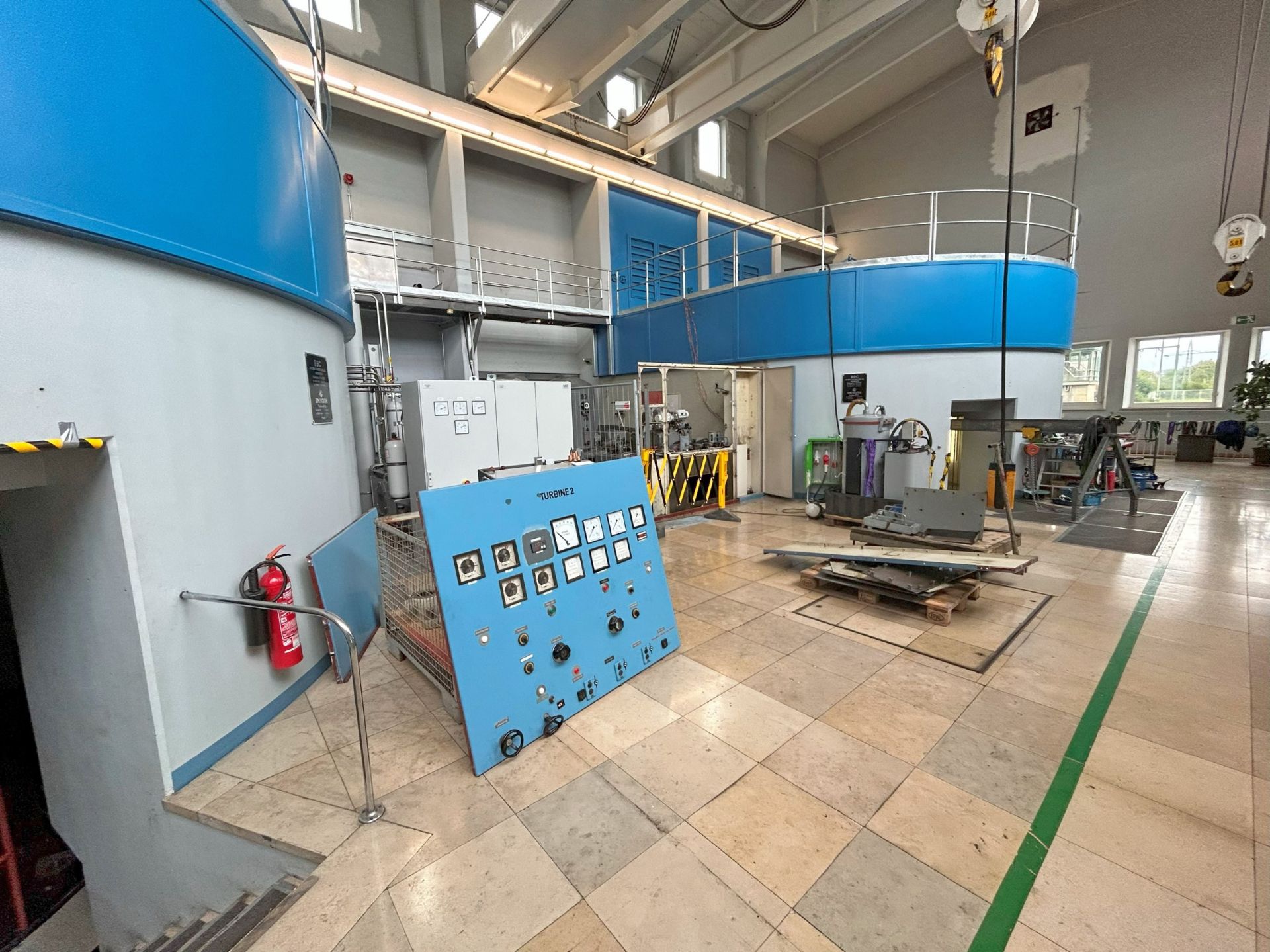
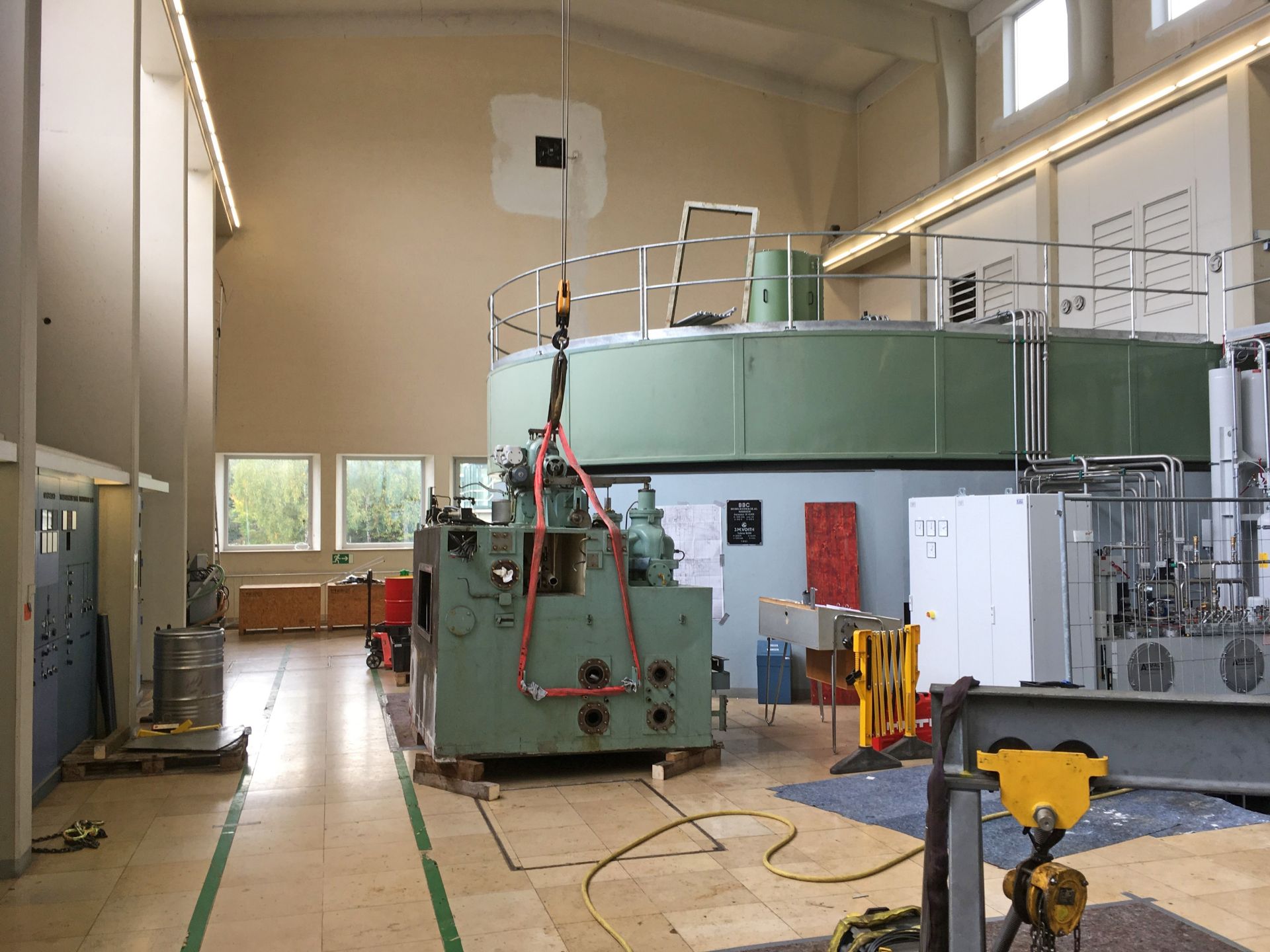
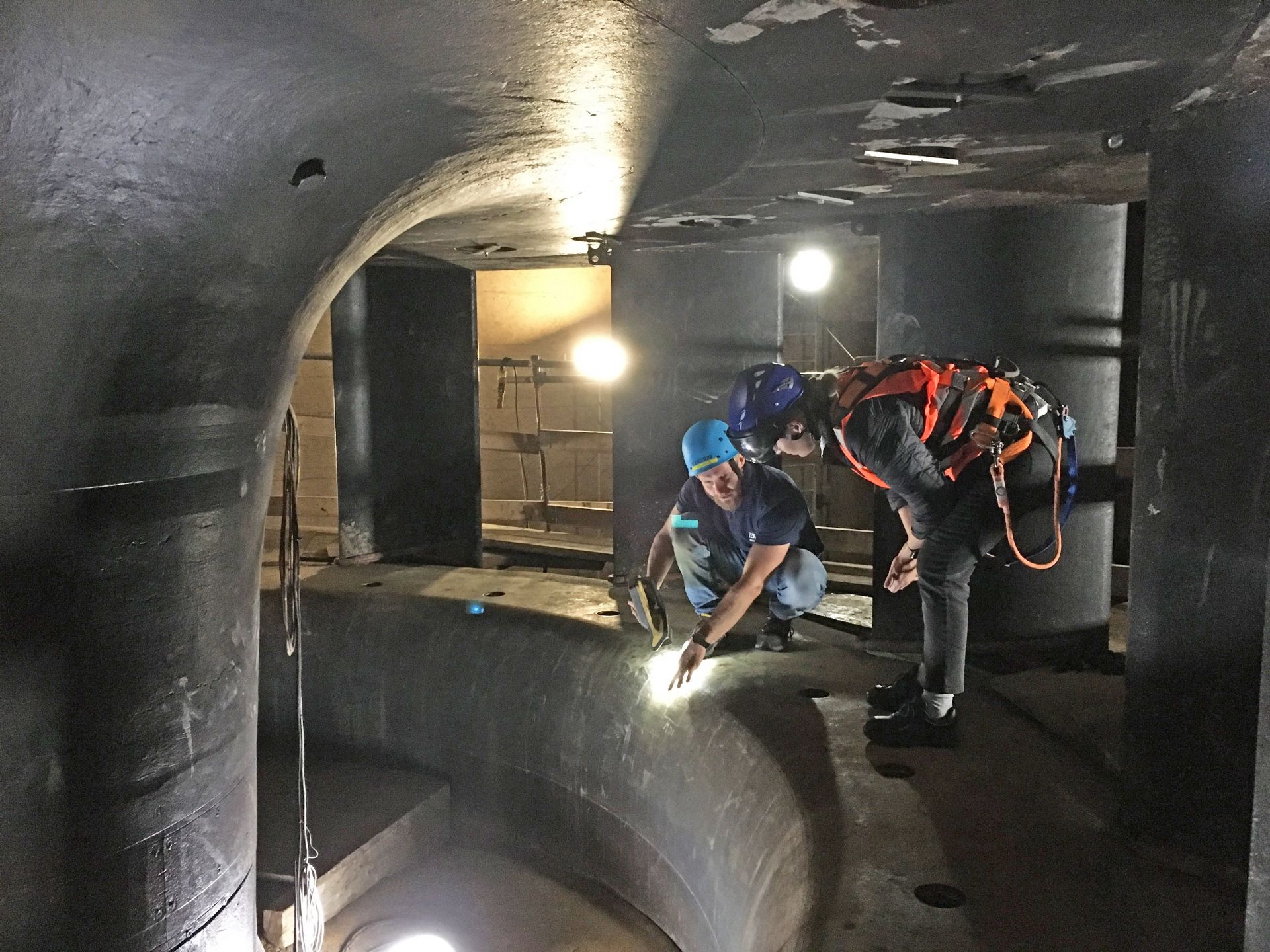
Based in the German federal state of Baden Württemberg, Wiegert & Bähr Turbinen- und Stahlwasserbau GmbH were hired as prime contractor for the refurbishment of the machinery in all of the six power stations. As expected, they lived up to their excellent reputation as a competent all-round water engineering specialist. The contract included the revision of the guide vanes and shaft bearings, as well as the replacement of the hydraulic turbine controllers, including the modifications required by the altered rotators and new high-pressure servomotors. “The workload varied a little from plant to plant and turbine to turbine,” says Jörg Franke. “What we did was empty the hydraulic chambers and perform a full individual inspection on each of the machines. Based on the results of the inspection we would then decide on the necessary work in each case.” The work performed by Wiegert & Bähr included refurbishing the rotor and stator blades, inspecting and mending the rotor housings, performing a full adjustment of the rotors’ servomotors, and fitting the stator blades with hydraulic safety guides. Additional work included the replacement of the old mechanical turbine controllers with new electro-hydraulic ones, and overhauling the bearings in the machines. The air-cooled generators were inspected as well and found to be in proper working condition. Since they required no reconditioning they were only given a proper cleaning. Despite the ongoing rehabilitation work, the power stations were able to sustain their energy production almost without interruption. The way this was achieved was by keeping one turbine of each pair working while the other one was being overhauled. It was only during the preparations for the subsequent modification of the electrical equipment that a three-week shutdown was inevitable.
Blackout Capability Successfully Tested
The revision project also included a series of innovative field tests on the emergency power supply capabilities. Carried out jointly by multiple partners and research facilities, the test runs demonstrated that in case of a major blackout a single stand-alone capable power station is sufficient to sustain the power supply to all of the critical infrastructures. The main goal was to automate the emergency power supply as much as possible, without the need for additional staff intervention. As a further innovation, the emergency power supply can also be enabled via remote control, eliminating the need for staff on-site.
Complex Project Coordination Over Ten Years
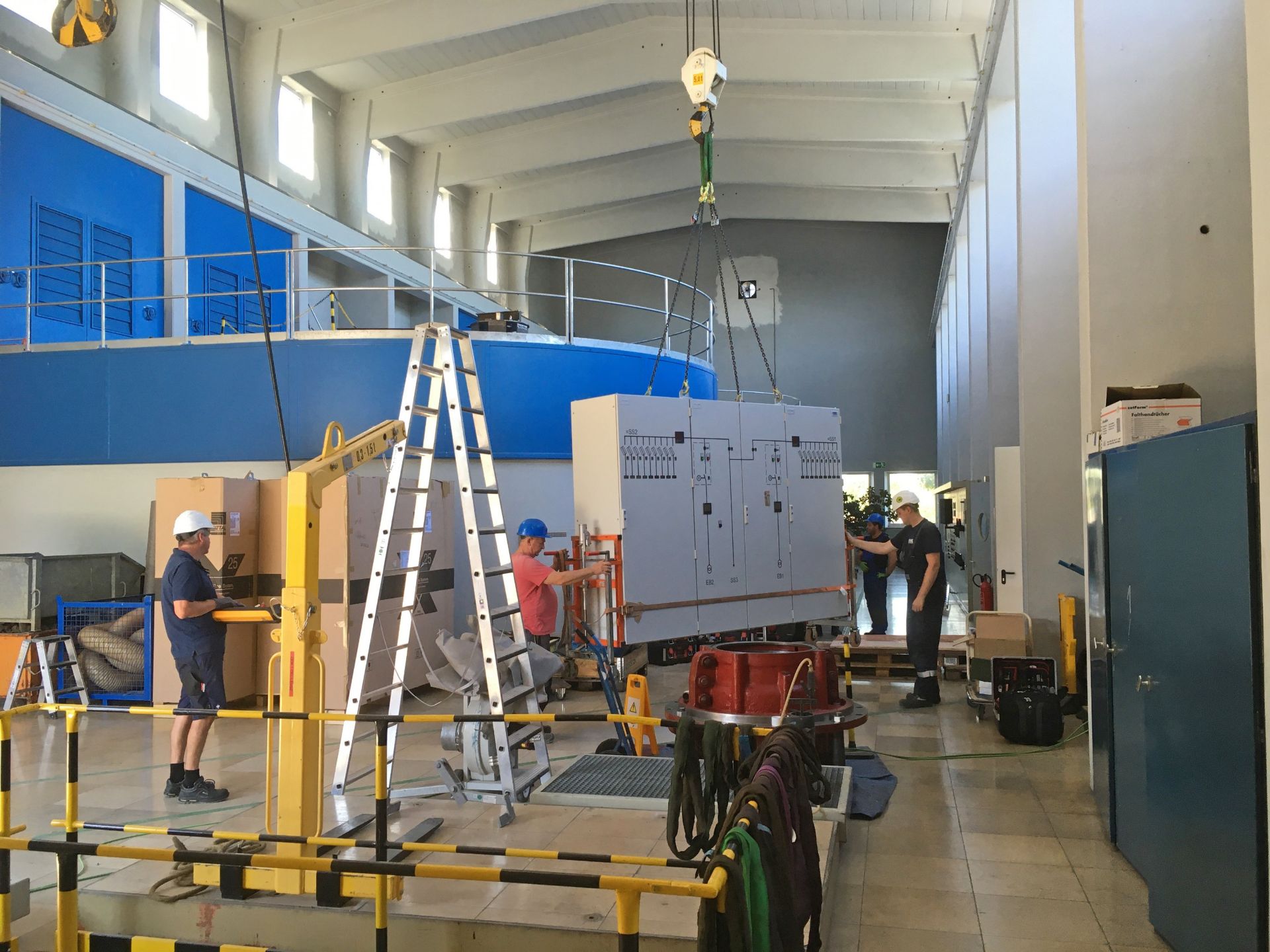
When asked about the main challenges of the project, Christian Dellmann, Project Leader, LEW Wasserkraft GmbH and manager responsible for electrical equipment, points to the large number of contributing companies and individuals that had to be managed and coordinated. “Flood protection was another major concern, as we had to face high-water conditions more than once during our reconstruction work. In view of all this, keeping everything tightly sealed and protected against hazards was essential, both for the staff themselves and for the electromechanical equipment. To make things worse, the project was overshadowed by the infamous Corona pandemic and the resulting complications. And then the war in the Ukraine broke out, which jacked up the price of the required equipment and materials. But thanks to the tight collaboration of the contributing firms and organisations we were able to keep the project on course and finish it successfully, despite all the adversities along the way.
Automation Increases Efficiency and Future Readiness
With the project finally complete, Jörg Franke reflects on the benefits of the modern water level control system, explaining that “implementing the water level control was tricky, but was done in exemplary fashion across all six of the interconnected power stations. The water levels are no longer set manually but fully automatically. As a result, the machines now run at a much more efficient operating point and achieve a somewhat higher electricity yield. Generally speaking, the modernisation has boosted operational convenience, with a lot more remote control options to choose from.” Christian Dellmann gives a similarly positive summary of the project: “Fortunately, we didn’t have a single serious accident during the ten years of project work. Technically speaking, the project has enabled a uniform control and operating workflow. For us as operators that’s absolutely essential, of course. And the digital technology gives us a lot more data points and readings to work with as well. This has allowed us to take new approaches and ready our operations for a possible future integration of AI.”
Overall, the investment in the technical modernisation of the power plant cluster amounted to 22 million euros. What is more, ODK is investing heavily in the ecological compatibility of their power facilities. The inauguration of a new fish pass at the Gundelfingen facility in 2023 was followed, in 2025, by a project to improve the passability for fish at the Faimingen power station. All of the other power plants on the Danube are scheduled to be fitted with fish passes in the coming years. ODK will spend about another 23 million euros on these six add-on construction projects.
© LEW / Thorsten Franzisi