European technology brings happy ending to Albanian power plant in need of renovation
Bild: © EFG
It was a mess right from the start. Describing the Stranik hydropower plant in Albania as a “Monday plant” falls short of the mark. Throughout its existence – the plant was commissioned in 2013 – the installed electromechanical equipment from China functioned more poorly than well and could only be operated at the lowest level in recent years with massive human-resource allocation. But this era is over. The majority owner from Austria commissioned the Carinthian hydropower specialists from EFG Turbinenbau and Schubert CleanTech from Lower Austria with the total refurbishment of the power plant‘s electrical equipment, which was completed in just a few months in 2024. The result is simply astounding: Not only does the power plant now run fully automatically like clockwork. In addition, the average output has been increased by 20 percent.
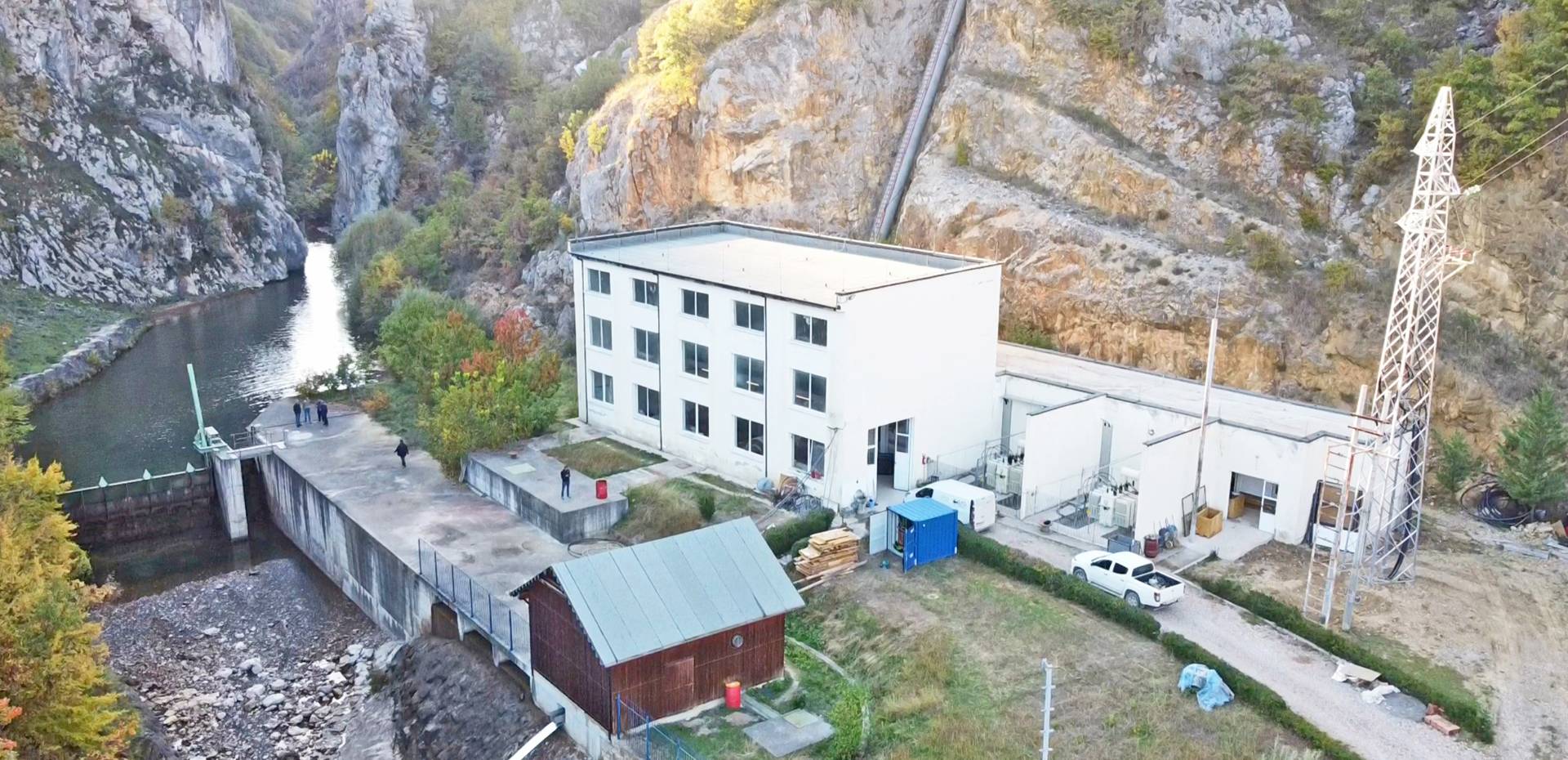
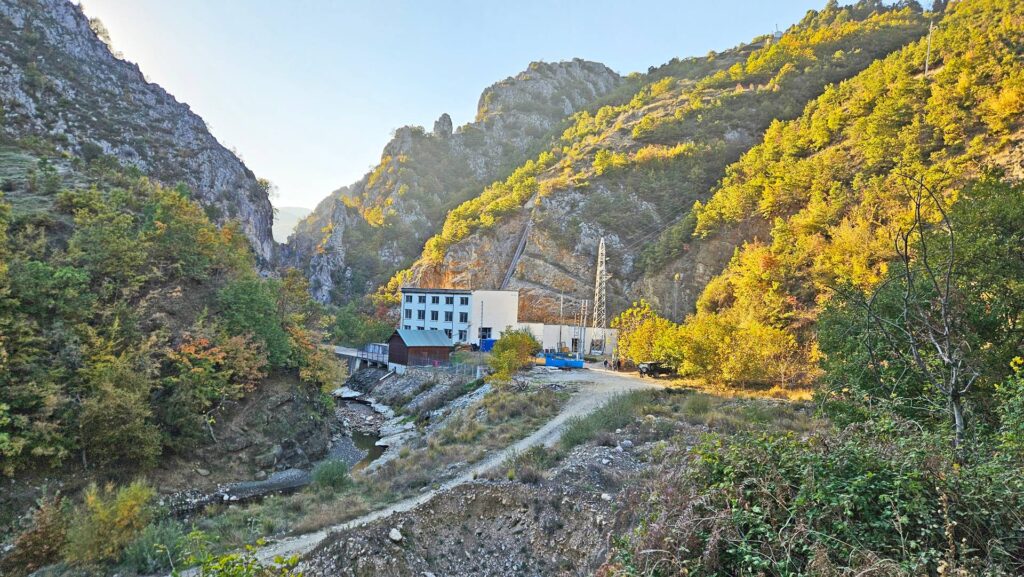
The joys and sorrows of the Draxler family‘s two Albanian power plants were only a few kilometers apart. In the early 2010s, Salzburg lawyer and hydropower entrepreneur Dr. Peter Draxler, who died in 2017, invested in two small power plants in the Western Balkans. He was impressed by the legal, economic and hydrological conditions in Albania at the time. Together with two partners from the region, he invested in Hidroinvest Shpk, in which the Salzburg native secured 80 percent of the shares. As an experienced investor and hydropower expert, Draxler was aware that one point was particularly important and explained in 2014: „With a project like this, it‘s important to have a local partner on board. Especially if something unexpected happens, you can quickly get into trouble without a local partner.“ Nevertheless, he took the flight to Tirana almost every month and then the three-hour drive to the district of Librazahd, not far from the Macedonian border, in order to be able to follow the implementation of the two power plants at close quarters.
Machines a problem right from the start
To his regret, Draxler was only able to contribute his hydropower expertise to one of the two power plant projects on the Radicin River: the Zall Torre hydropower plant, whose power plant equipment, both electrical and control technology as well as electrical machinery, was implemented by renowned Austrian industry professionals. Unfortunately, this was not possible for him at the upstream Stranik power plant. He said at the time: „Unfortunately, the contracts with the Chinese supplier were already signed and sealed when I joined the Stranik project. If it had been possible, I would have canceled it. Unfortunately, the machines were a disaster right from the start.“ Nevertheless, the power plant was kept in operation with this equipment for another 10 years.
After the death of the self-confessed hydropower enthusiast, Peter Draxler‘s son Florian took over the management of the company, although he inevitably had to deal with the growing technical problems of the Stranik hydropower plant in recent years. In the end, he came to the conclusion that things could no longer go on like this. He commissioned the experienced hydropower specialists from EFG in Feldkirchen, Carinthia, to carry out a precise operational measurement on site. The key questions: What is the efficiency? What expansion potential is possible with modern technology? What is the current status quo?
Technology as it was 50 years ago
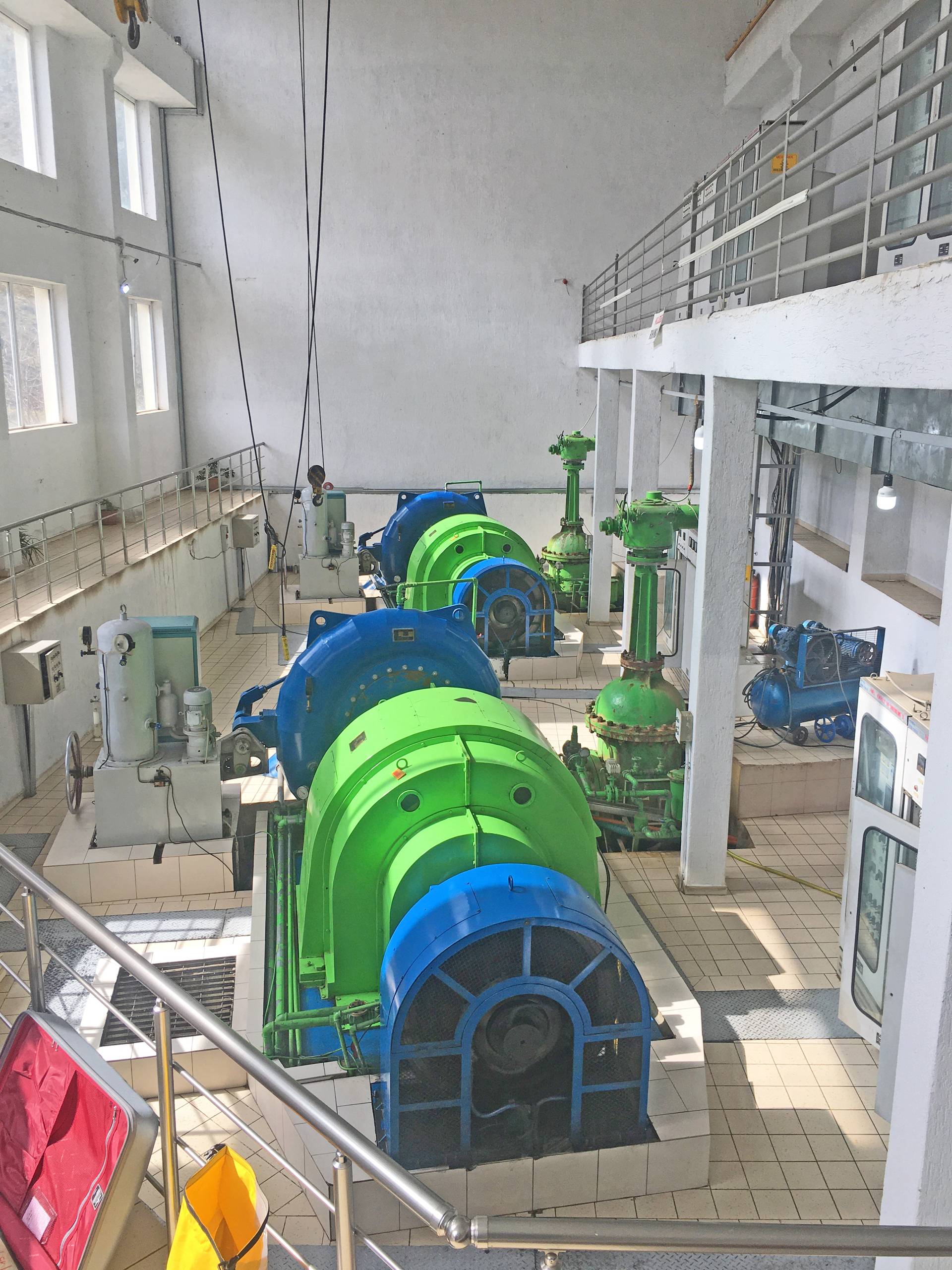
In April 2022, Martin Goldberger, junior manager at EFG, set off for the power plant in Albania together with EFG technician Matthias Eberhard. The picture they saw there exceeded the already gloomy expectations of the two experts. „If you apply the standards of a modern hydropower plant, then nothing was working properly here. The power plant was manned in shifts and the staff synchronized and regulated the water levels by hand. They used a camera to estimate how much water was entering the intake and the level was regulated in this way,“ explains Martin Goldberger. The performance of the machines was also disastrous, as the Head of Technology at EFG, Gero Pretis, confirms: „With a design of 2.4 MW, the machine sets could be operated up to around 2.2 MW before the bearing temperature rose to alarming levels and vibrations became noticeable. Our evaluation showed that the machines never reached the specified optimum point. This also made it clear that the basic design was not correct in terms of fluid mechanics.“
A closer inspection later revealed that the sealing elements and the generators, for example, were technically completely outdated. “These components were built like this 50 years ago,” explains EFG Managing Director Werner Goldberger. He also points out that the control technology also supplied by the Chinese manufacturer no longer worked. There were no spare parts, not to mention any kind of support from the manufacturer. In addition, the system documentation was missing and certain defects ultimately even had to be classified as safety-related.
All plans redrawn
The refurbishment project presented by the Carinthian hydropower experts impressed Florian Draxler, who awarded EFG the refurbishment contract in the fall of 2022. “The only thing that helped here was to wipe the slate clean – and reorganize the power plant in terms of the electrical and control systems,” says Werner Goldberger. Ultimately, only the connecting flange of the penstock was to be retained, while the intake manifold, turbines, generators, control technology, hydraulics and shut-off valve for E&M, as well as the hydraulic steelwork equipment, were redone.
However, the confidence of the engineers from Carinthia in the few available plans from the Chinese original equipment manufacturers was very limited. „For this reason, another EFG team, led by our experienced technicians Armin Pretis & Michael Bader, traveled to the power plant to create a well-founded natural dimension survey. On this basis, our engineers were able to redraw the construction plans and completely redesign the machines,“ recalls Martin Goldberger, who, as overall project manager, was responsible for transportation and customs formalities in addition to the logistical tasks and coordination with other companies – quite a challenge.
Sophisticated machine design
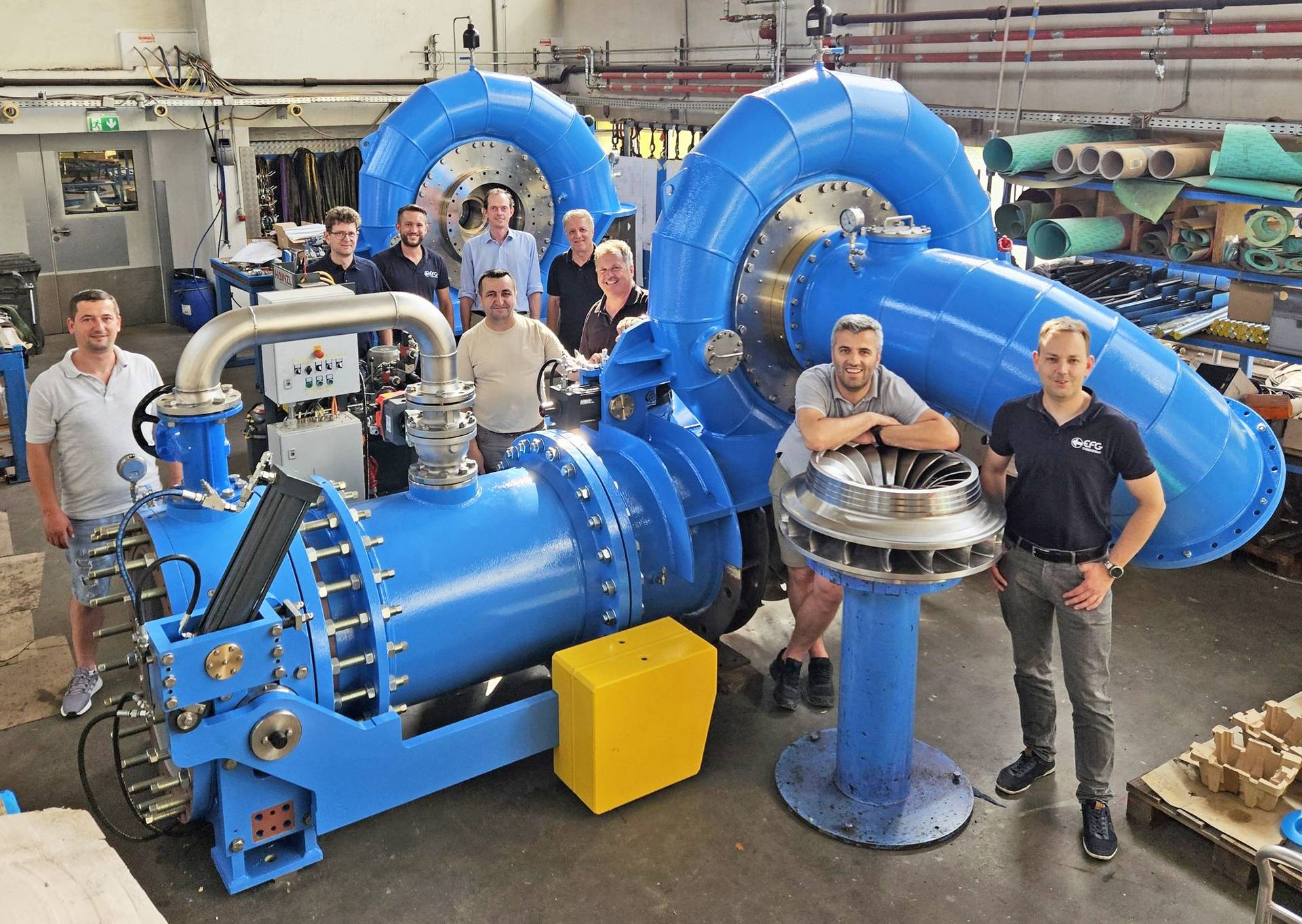
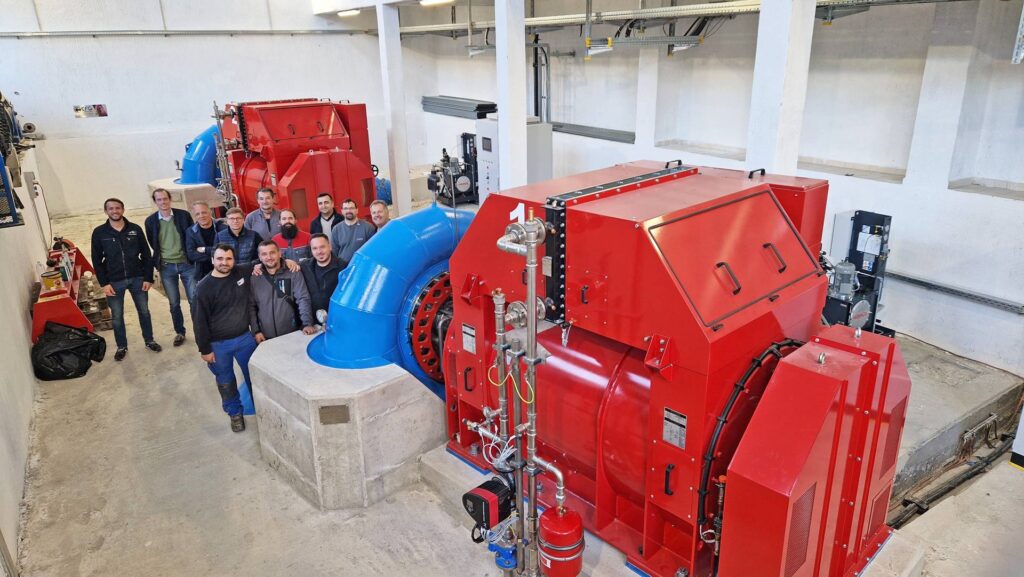
The type of machines to be used was not entirely clear at the beginning. „Once we had taken a closer look at the structure of the powerhouse, it became clear that basically only two identical Francis turbines could be installed here. The distribution pipeline was integrated into the powerhouse foundation. If that had had to be excavated, the entire powerhouse would have had to be replaced,“ says Gero Pretis. The challenge for the experienced machine designers was therefore to design machines that basically had the same design data as the old ones, but without their mechanical and fluidic deficits. “Our considerations ultimately led us to a Francis turbine with a very low specific speed, i.e. a radial runner with 17 blades and very narrow flow channels,” explains the turbine engineer. The focus was on optimizing the partial load efficiency on the one hand, but also on finally achieving top efficiencies in the peak load range up to 5 MW output on the other. „Ultimately, we succeeded very well. Especially when you consider that the old machines could previously only be operated with an output of 500 kW or more – and with catastrophic efficiency. The new turbines, on the other hand, can still remain connected to the grid down to 50 kW single machine load and even lower.“
Game over for old control technology
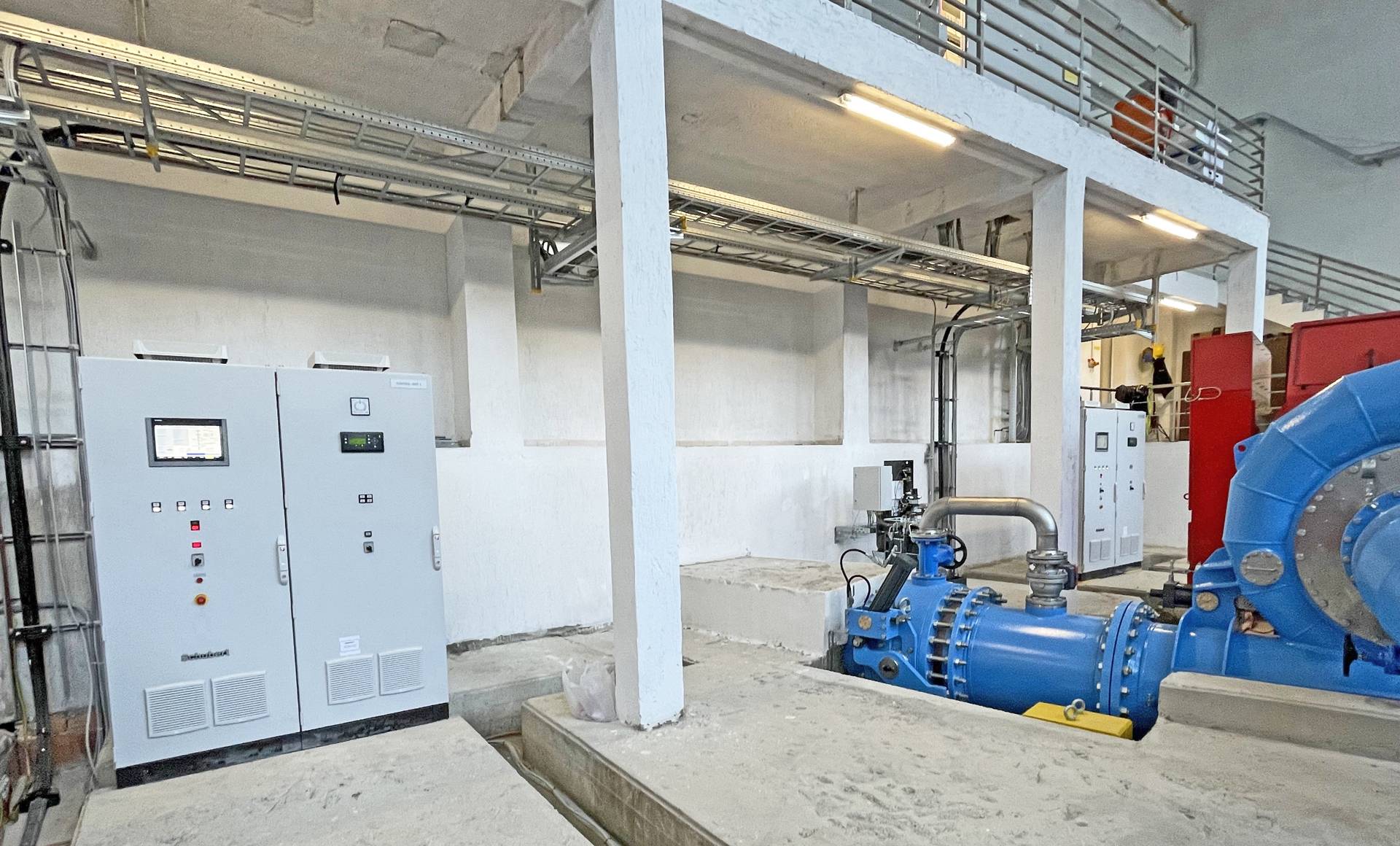
Not only the EFG team had the green light to continue with the project, but also the industry partners with whom the Stranik hydropower plant was to be led into a new era. First and foremost was Schubert Cleantech, which was entrusted with the electrical and control engineering side of the project. In detail, the scope of the contract included the entire control and regulation of the plant, including the SCADA system for the power plant, intake and surge chamber, as well as the DC and AC power supply, protection and synchronization, the 6kV generator cabling, the engineering for the 40.5kV medium-voltage switchgear and the entire plant cabling, including new cable routes. „Essentially, we also had to remove the old, dysfunctional technology from China and replace it with modern European technology. A not insignificant challenge for our team was that the existing plant concept was already outdated when it was built. It not only had to be brought completely up to date, but also adapted to the current requirements – resulting from the new machine equipment and the desired operational management. In addition, there was virtually no plant documentation,“ explains Christian Schwarzenbohler, Head of the Energy Generation Division at Schubert Cleantech.
© EFG
Communication between the plants
In the case of the Stranik power plant, it was not only Schubert Cleantech‘s excellent reputation that spoke in favor of its involvement. In addition, the company from Lower Austria had already earned an excellent reputation 11 years ago for equipping the downstream power plant Zall Torre, which was equipped with Austrian technology at the time. Werner Goldberger comments: „The operating team on site has experienced first-hand how well the Zall Torre hydropower plant has worked over the years – and how miserably the upstream Stranik power plant has performed in comparison. For this reason, the plant management expressed a desire for Austrian hydropower technology in the run-up to the refurbishment.“
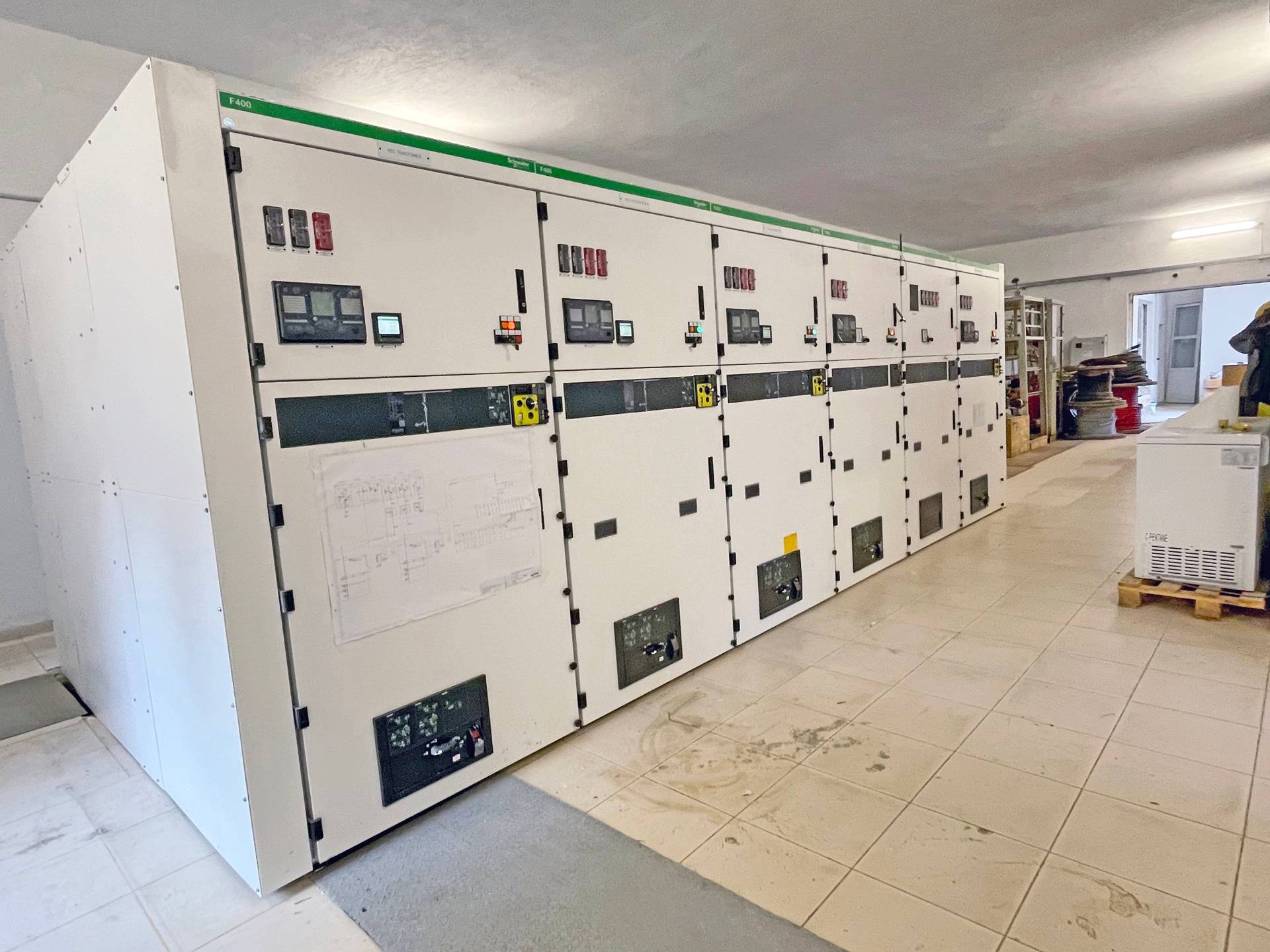
For the Schubert CleanTech technicians, this was of course an advantage, as communication for the operational coordination of both plants was to be realized in the course of the new automation – and thus there was no interface issue. “Of course, we also incorporated the usual functions that are state of the art in a hydropower plant today,” says Christian Schwarzenbohler. The Schubert CleanTech team also provided assistance with the design and engineering for the 40.5 kVA switchgear, which Hidroinvest commissioned from an Albanian manufacturer.
© EFG
Side effects of a foreign assignment
In general, the Austrian companies are very satisfied with the handling and, above all, the partnership-based cooperation, which made many things easier. „Of course, the question arises during such a foreign assignment: what tools and machines do you take with you? This goes hand in hand with customs clearance issues – and of course expensive tools should also be returned. That‘s why we got together with Schubert and found solutions on how we could best use tools together. And that worked out wonderfully in the end,“ says Martin Goldberger. He points out that the precise planning for the assembly work in particular has led to a previously unattainable level of organizational discipline. „You really have to plan at home exactly what you want to take with you. Because – unlike a job on your doorstep – I don‘t immediately get every screw or every tool in Albania. I wish we could also demonstrate this planning efficiency on assignments here in Austria. It must also be our standard.“
One fifth more electricity yield
After the old plant was shut down at the beginning of July 2024, EFG and its partners needed just four months before the new power plant was commissioned at the end of October. „There wasn‘t much water available for the commissioning work at that time, but still enough to carry out all the necessary tests. Like so many things in this project, we also implemented the commissioning hand in hand with Schubert,“ explains Martin Goldberger. The system was put into trial operation on November 5, 2024.
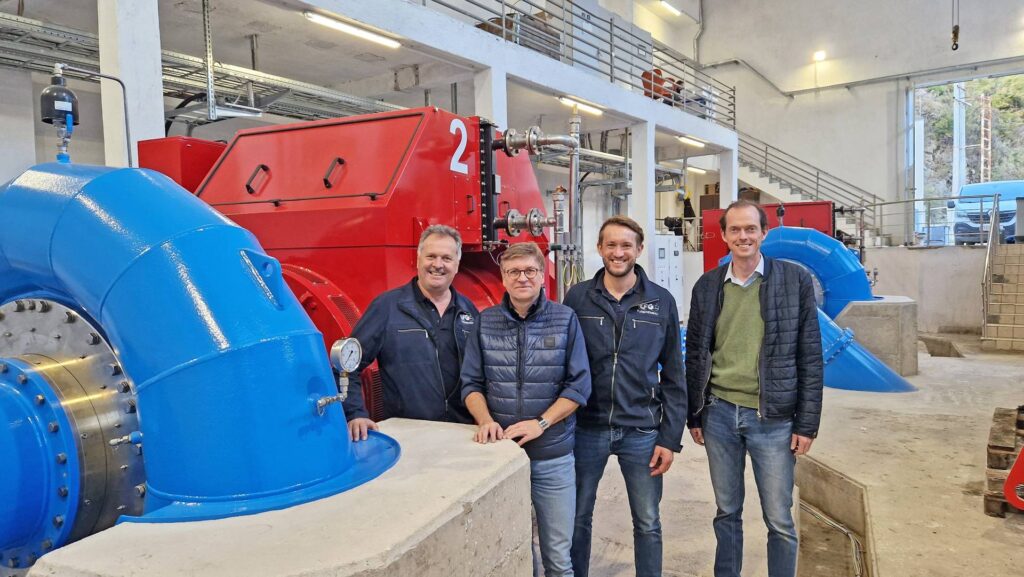
The new machines now offer a completely different performance to their predecessors, and comparisons are drastic. In line with the current state of the art, the machine sets from Austria are whisper-quiet and extremely smooth-running, which naturally has a positive effect on their longevity. Added to this is the considerable increase in efficiency, which has manifested itself in a noticeable increase in production right from the start. “The machines easily achieve the targeted yield increase of 20 percent,” explains Martin Goldberger.
© EFG
An example of European engineering
When asked whether the dismantled machine sets from the old stock could possibly be reused somewhere, the experienced hydropower expert Werner Goldberger answers in the negative. They would only have scrap value. „The Stranik power plant is a prime example of how inferior replica machines from the Far East can reduce the value of a hydropower plant – and how solid and strong European quality technology in hydropower is in contrast. We should not forget in such power plant projects that the machines from our latitudes also have a very high vertical range of manufacture, which of course also means added value,“ says the EFG Managing Director. For the Carinthian hydropower specialists, who are completely satisfied with their work in Albania, their involvement in the Western Balkans certainly seems to have paid off. Not least because of the excellent feedback on the Stranik power plant project, the next assignment in Albania is apparently already on the horizon.